


As the Maldives charts its tourism vision for 2026, the nation’s tourism leadership has issued a compelling call for lawmakers and industry stakeholders to recognize destination marketing as a critical long-term investment rather than a discretionary expense – a fundamental shift in mindset considered essential for maintaining competitive advantage in an increasingly crowded global tourism marketplace.

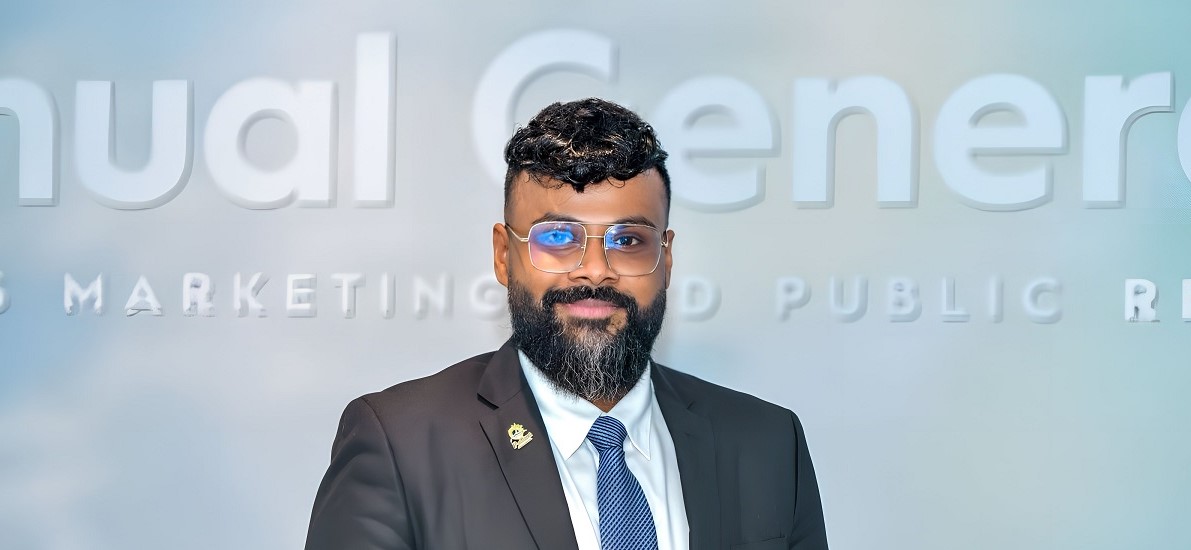
Speaking at the closing session of the Tourism Symposium 2025 held at Meerumaa Hall in Malé, Mr. Abdulla Ghiyas Riyaz, Chairperson of Visit Maldives (formerly MMPRC), emphasized that while the Maldives remains a leading aspirational destination with unparalleled natural assets and world-class hospitality infrastructure, the nation cannot afford complacency in the face of intensifying global competition.
A Collaborative Vision for the Future
The full-day Futureshapers’ Workshop brought together policymakers, tourism industry leaders, media professionals, and market specialists to exchange ideas on the country’s future positioning as a premier global luxury destination. The collaborative format reflected Visit Maldives’ commitment to developing strategy through genuine stakeholder consultation rather than top-down planning, ensuring diverse perspectives inform the nation’s tourism roadmap.
“Our competitors are investing heavily in marketing. We cannot rely only on reputation or value alone,” Ghiyas stated during his address. “To sustain our position and reach new audiences, we need bold, forward-looking marketing investments.”
His comments highlight the growing recognition that brand strength, while valuable, is not permanent. Emerging destinations in Southeast Asia, the Caribbean, and across the Indian Ocean region are aggressively promoting themselves to the same luxury traveler segments the Maldives has traditionally dominated. Without consistent investment in visibility and engagement across key source markets, even the strongest destination brands can fade from consumer consideration, particularly among younger travelers who make decisions based on current social media presence and digital visibility rather than historical reputation.
Organizational Transformation and Financial Discipline

Ghiyas reflected on significant transformational reforms undertaken within Visit Maldives over the past year, which have repositioned the organization from a reactive, deficit-burdened entity into a leaner, more strategically focused destination marketing organization. Financial discipline and structural restructuring have enabled the organization to recover from operating deficits while bringing sharper focus to result-driven activities that deliver measurable return on investment.
The numbers reveal a compelling story of organizational transformation. Expenditure on recurring operational costs has been reduced by over ten percent, freeing up resources for frontline marketing activities. Perhaps most significantly, budget allocation for trade fair participation has dropped dramatically from nearly eighty percent to just thirty-four percent of the overall marketing budget.
This substantial shift allows significantly more resources to be directed toward high-impact digital campaigns, content marketing, influencer partnerships, and targeted consumer outreach-channels that increasingly drive booking decisions in modern travel planning.
Accountability and Measurable Results
Visit Maldives has implemented a renewed approach to public relations partnerships, with PR agencies now required to work against clear key performance indicators and deliver measurable outcomes. This represents a significant departure from earlier practices where performance metrics were often absent or vaguely defined, making it difficult to assess whether PR investments generated meaningful results.
The new accountability framework ensures that every marketing dollar spent must demonstrate concrete impact in terms of media coverage, social media engagement, website traffic, or search interest.
Early results validate the strategic shift. The Indian market, which had previously experienced steep decline due to various geopolitical and economic factors, has rebounded with four percent growth—a turnaround directly attributed to more focused, data-driven marketing campaigns tailored to Indian travelers’ preferences and booking behaviors.
Additionally, search interest for the Maldives in major European and Asian tourism markets has increased more than tenfold, signaling renewed global demand and demonstrating that strategic digital investments can rapidly restore destination visibility.
Strategic Priorities for 2026
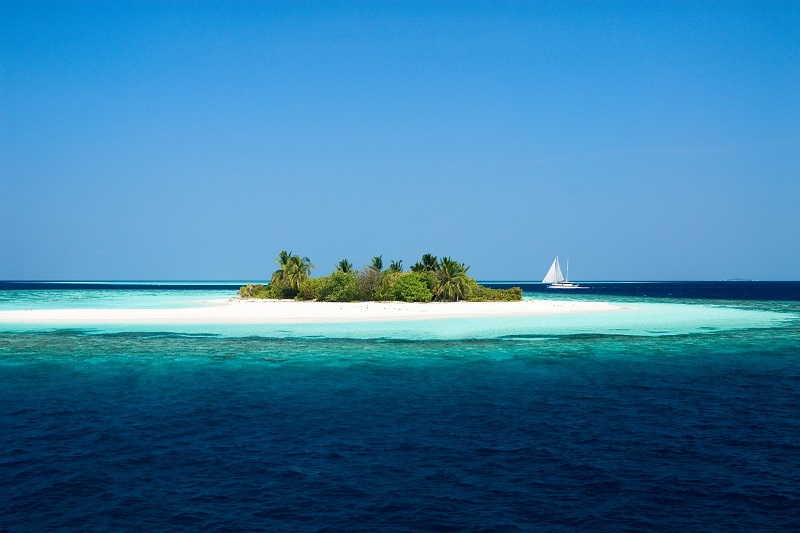
The symposium discussions covered key strategic themes that will shape Maldivian tourism in the coming years, including evolving luxury travel trends, diversification of source markets beyond traditional European feeder markets, development of yacht and superyacht tourism as a high-value segment, and strengthening guesthouse and atoll-level tourism to ensure inclusive economic benefits reach local island communities.
The insights gathered throughout the day-long workshop will be compiled into a comprehensive report, expected by mid-October 2025, which will guide development of the Maldives’ 2026 tourism strategy. This consultative approach ensures the strategy reflects real industry needs and market realities rather than bureaucratic assumptions, while building stakeholder buy-in for implementation.
Marketing as National Economic Priority
In his closing remarks, Ghiyas delivered what may have been his most important message: marketing must remain a national priority backed by consistent financial commitment.
“If we reduce visibility in global markets, we risk losing momentum – and regaining lost ground is far more expensive than sustaining it,” he stated emphatically. “We must be proactive, ambitious, and united.”
This warning carries particular weight given the Maldives’ heavy dependence on tourism, which contributes over sixty percent of GDP. Any decline in arrivals directly impacts the national economy, government revenues, and employment across the country. Strategic marketing investment, therefore, transcends holiday promotion – it protects the economic foundation of the nation.
A New Era of Tourism Promotion
Under Ghiyas’ leadership, Visit Maldives is positioning itself for a more dynamic and accountable era of tourism promotion, characterized by performance-driven campaigns, stronger private sector collaboration, rigorous measurement of outcomes, and long-term strategic planning that looks beyond immediate booking numbers to sustainable competitive positioning.
The transformation underway at Visit Maldives reflects a broader evolution in destination marketing globally – a shift from traditional trade-fair-heavy approaches to integrated digital strategies that meet travelers where they make decisions: on social media platforms, search engines, and content channels.
The goal is ensuring that the Maldives continues to shine among the world’s most desirable destinations not through historical reputation alone, but through continuous, strategic investment in visibility, relevance, and engagement with evolving global traveler segments.
Looking Ahead
As the Maldives prepares to implement its 2026 tourism strategy, the symposium’s outcomes will provide crucial guidance for balancing luxury positioning with sustainable growth, maintaining market leadership while developing new segments, and ensuring tourism benefits reach communities across the archipelago.
The challenge ahead involves not just attracting visitors but doing so strategically – targeting high-value travelers, diversifying source markets to reduce dependency on any single region, and investing in marketing with the same discipline and foresight applied to resort development and infrastructure.
For a nation where tourism represents the economic lifeblood, the stakes could not be higher. The question is no longer whether the Maldives should invest in strategic marketing, but rather how boldly and consistently it will commit resources to maintaining its position among the world’s most coveted destinations in an era of unprecedented competition for the global traveler’s attention and spending.







Leave a Comment