


By Bob Anand Rex
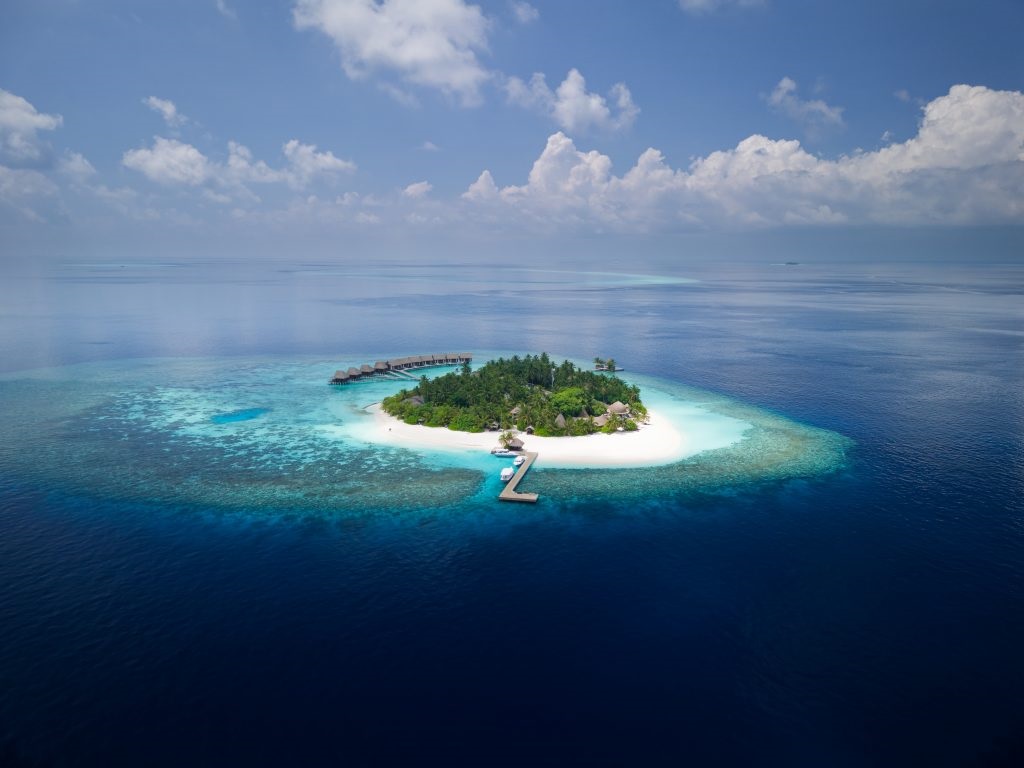
In the beginning, there was only the ninety-nine percent. A sprawling liquid empire of turquoise and indigo, where the land was a mere afterthought, tiny and fragile emeralds scattered across the Indian Ocean like forgotten jewels. When the first travelers arrived in the 1970s, they didn’t find infrastructure waiting to greet them with air-conditioned lobbies and seamless transfers. Instead, they found an impossible dream wrapped in salt spray and uncertainty. To reach a bed, you braved the relentless spray of a dhoni for hours, your body learning the rhythm of waves that cared nothing for your comfort. To find a signal, you looked not at your phone but at the stars themselves, ancient navigators still faithful in their duty. It was a nightmare of logistics that somehow birthed a miracle of exclusivity.
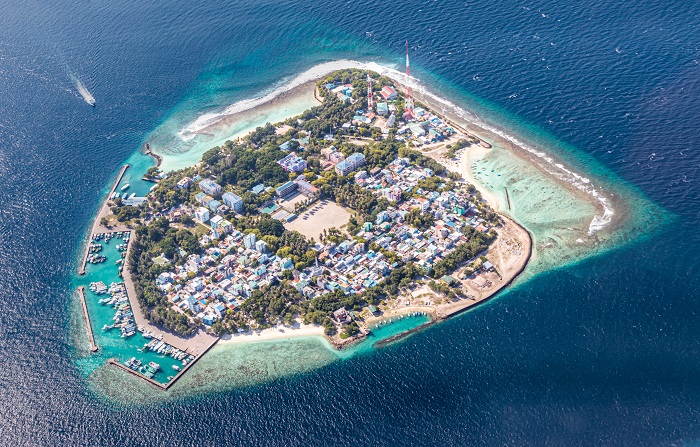
This was the era of the Castaway, a time when white sand wasn’t just a beach to photograph and leave, but the actual floor of your life for days or weeks on end. In the capital of Malé, the streets themselves were soft underfoot with that same white sand, and the silence was broken only by the melodious call to prayer floating across the harbor and the rhythmic lap of the tide against wooden dhonis. The Maldives didn’t sell itself. It simply existed, impossibly, and those who found it felt like discoverers of a secret the ocean had been keeping.
The Great Transition: From Solitude to Synergy
As the years drifted by like the currents themselves, the Sinamalé Bridge became more than an engineering achievement of steel and concrete. It became a portal, a threshold between two versions of the same nation. Urbanization didn’t knock politely at the door of tradition. It flooded in with the inevitability of a spring tide, reshaping coastlines both literal and metaphorical. The white sand roads of the capital were paved over by the relentless march of progress, turning what locals remembered as Old World Charm into whispered folklore told to wide-eyed backpackers in guesthouse common rooms.
Today, the Maldives stands at a crossroads of its own making, caught between the romance of what it was and the pragmatism of what it must become. The transformation has created two parallel realities, both real, both Maldivian, yet speaking different languages to different dreams.
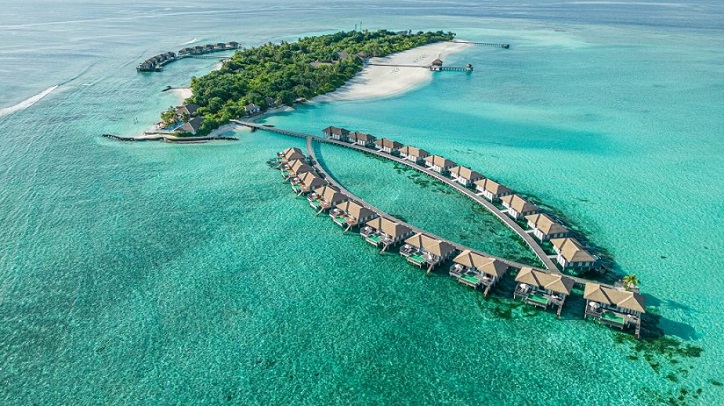
The Inhabited Frontier represents perhaps the most profound shift in the nation’s tourism narrative. Tourism has moved decisively beyond the carefully controlled exclusivity of the private resort island, that hermetically sealed paradise where locals were employees who arrived by boat each morning and departed each evening, never residents, never hosts in their own homes. Now tourism has entered the living rooms of the locals themselves, creating an intimacy that the old model actively avoided. This is not simply accommodation arbitrage or economic opportunism. It represents a fundamental reimagining of what Maldivian tourism can be when the invisible wall between visitor and resident becomes permeable.
Yet here we encounter what might be called the Vocabulary Trap, a linguistic challenge that reveals deeper cultural assumptions. We stumble over the phrase “Guest House” because in much of the world that phrase carries the weight of compromise. It tastes of budget linoleum and transit stays, of backpacker pragmatism rather than intentional experience. The term fails utterly to capture the soul of a beautifully crafted boutique villa perched on the edge of a local community’s heart, where the owner’s family recipe for mas huni appears at breakfast and evening conversations happen under the same palm trees where children play.
This vocabulary failure matters because language shapes expectation, and expectation shapes market positioning. When international travelers hear “guesthouse,” they hear echoes of hostels and cheap hotels, not the authentic cultural immersion that these Island Heritage Stays actually deliver.
Simultaneously, the islands face what we might call the Tourist Ecosystem Paradox, embodied in the figure of the Invader of Comfort. This is the traveler who flies halfway across the world, crossing time zones and cultures, spending thousands of dollars and precious vacation days, only to demand the exact coffee they drink at home, the exact climate control they’ve calibrated in their apartment, and the exact concrete-and-glass aesthetic they see every day in their urban environment. They seek the exotic while simultaneously insisting on the familiar, creating an impossible equation that no destination can truly solve.
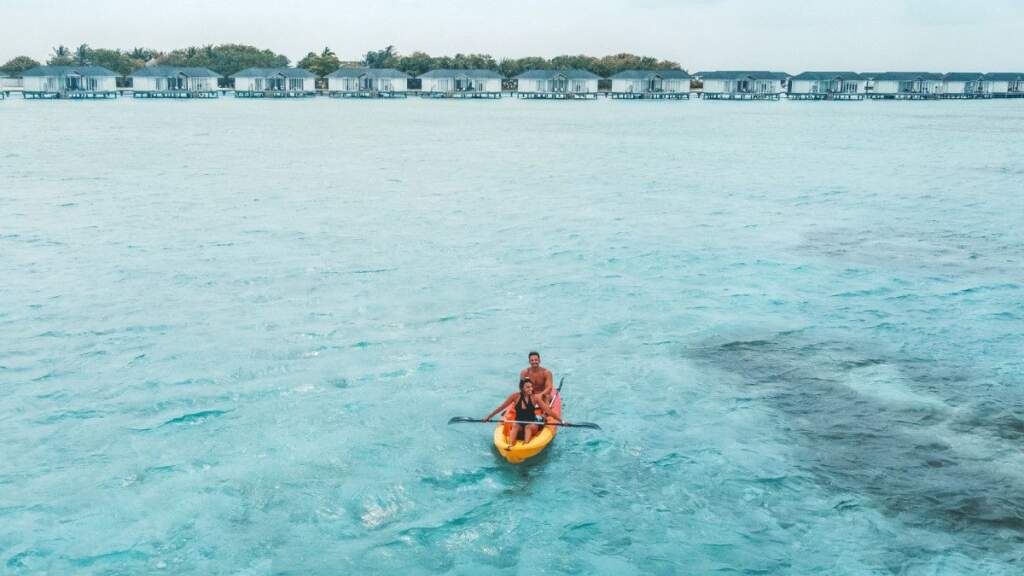
The question becomes not whether to accommodate such demands, but whether constantly adopting and adapting to these tantrums comes with downsides that erode the very authenticity that makes a destination compelling in the first place. There’s a tipping point where hospitality becomes self-erasure, where the Maldives risks becoming a theater set of itself, all the visual signifiers present but the substance hollowed out.
The Story of the Living Archaeology
Imagine, if you will, a scene one century from now. A traveler of the twenty-second century, equipped with technologies we cannot yet fathom, dives into the crystal waters of a remote atoll. They come across a reef that seems oddly, impossibly geometric amid the organic chaos of coral. Upon closer examination, these structures reveal themselves as the Archaeological Remains of the First Tourism Civilisation.
These are the Old World resorts, the original hideaways that established the Maldives as a destination. The ones that refused to compromise, that held firm against the tide of homogenization, that declined to trade their hard-won solitude to the comfort zone dwellers. They remain now as monuments to a particular moment in time when luxury meant less rather than more, when the absence of choice was itself the ultimate choice, when disconnection was the product being sold and people paid premium prices for the privilege of being unreachable.
These structures, slowly being reclaimed by the ocean that always owned them, stand as testimony to a brief historical moment when humans built temples to escape on these tiny fragments of land, then eventually abandoned them when the masses demanded escape with amenities, when paradise required WiFi to qualify.
But we do not have to be prisoners of nostalgia, trapped in amber memories of a tourism model that served its time but cannot serve the future. To survive and thrive, the Maldives is writing what we might call a New World Charm. This isn’t just about inclusivity for its own sake, nor simple economic pragmatism, though both play their roles. This is fundamentally about Identity Preservation in an age of global homogenization.
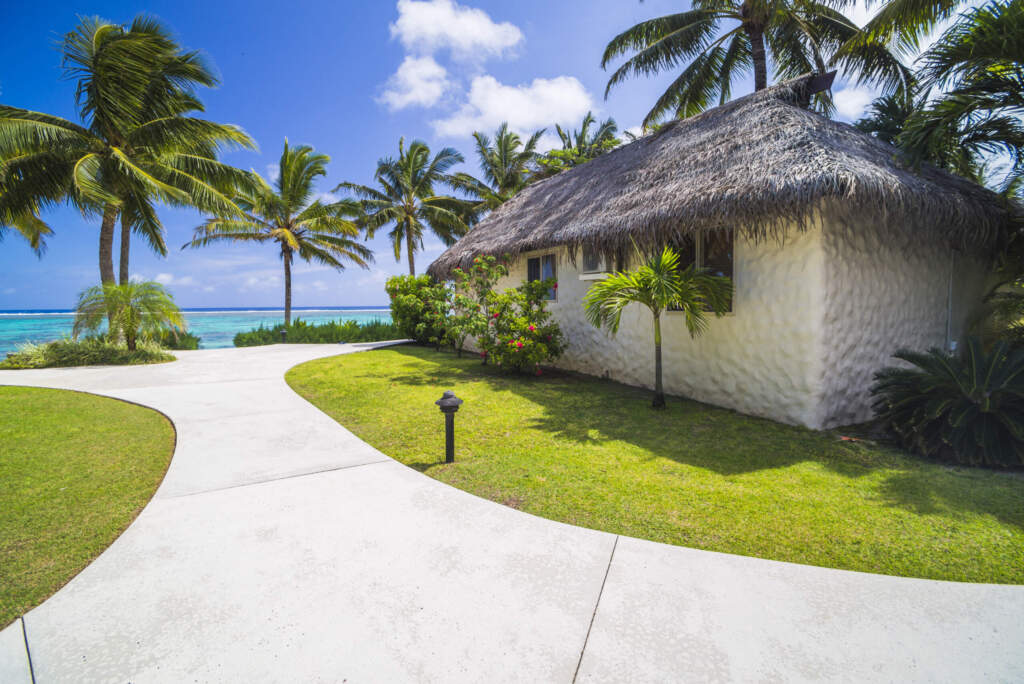
There’s a crucial distinction worth making here, one that separates destinations that endure from those that fade. Nostalgia is the inability to adapt to the present, a looking backward that paralyzes forward movement. But Heritage, true Heritage, is the ability to carry the best of the past into the future, to honor what came before while remaining relevant to what comes next.
If the Maldives stops selling “Guest Houses” with all that term’s diminishing connotations and starts selling “Island Heritage Stays,” the narrative shifts profoundly. The product moves from being positioned as an inferior alternative to expensive resorts and becomes instead a superior experience for a different kind of traveler. The transaction changes. The task is no longer to help the tourist recreate their home ecosystem eight thousand kilometers from where they started, complete with familiar breakfast cereals and reliable streaming services. Instead, the invitation becomes something more profound: to be temporary citizens of a water-bound nation, to participate however briefly in a culture that has learned to thrive on the edge of impossibility.
This reframing transforms the value proposition entirely. The visitor is no longer a consumer of standardized paradise but a participant in living culture. The Instagram photos look the same, perhaps, but the experience beneath those images becomes substantively different. There’s interaction rather than observation, exchange rather than transaction, memory rather than merely documentation.
The Pitch for the Future
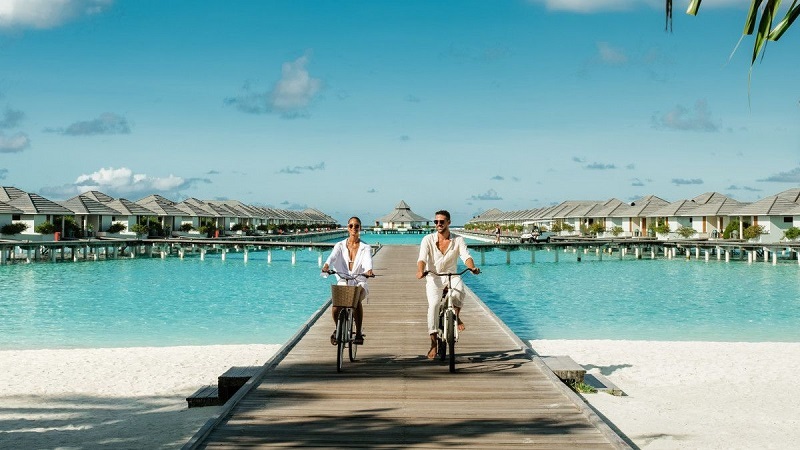
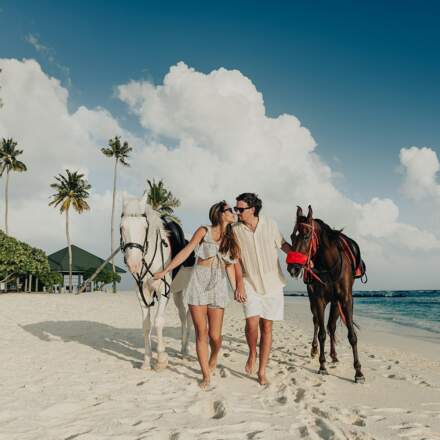
The Maldives is no longer just a honeymoon spot, that reliable destination for newlyweds seeking overwater villas and champagne sunsets. That market remains and will always remain, but the nation’s identity has expanded beyond this single narrative. The Maldives has become something more complex and more interesting: a laboratory for how a nation comprising ninety-nine percent ocean and one percent land can host the world without losing its soul in the process.
The Product Pitch for this evolved Maldives is elegantly simple yet profound in its implications. We are not just a destination to be visited, checked off a bucket list, and left behind in the scroll of memories. We are a disappearing art form, both literally as rising seas threaten our physical existence and metaphorically as global tourism threatens our cultural distinctiveness. We are a civilization that has learned to live on the water, to build communities on fragments of land so small they barely register on world maps, to create culture and continuity in an environment that seems to actively resist permanent human settlement.
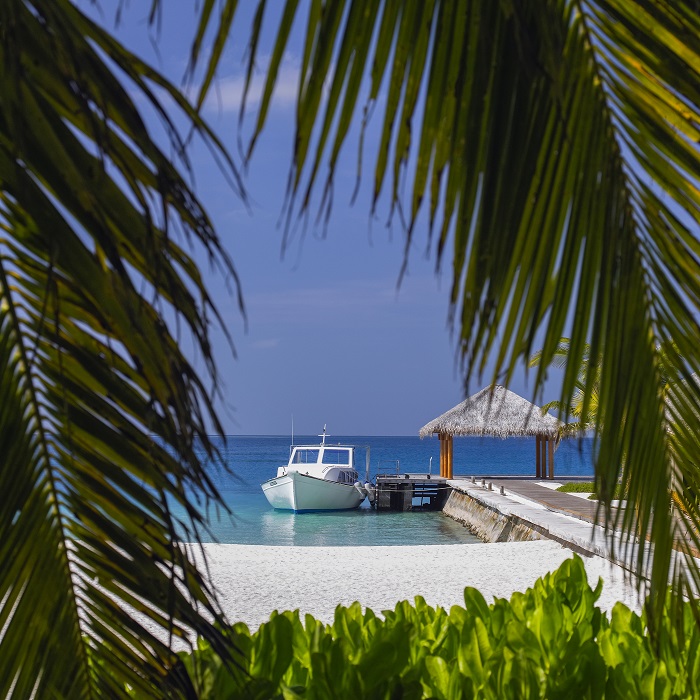
This is the story that needs telling, the narrative that differentiates Maldivian tourism from every other tropical destination competing for the same tourist dollars and Instagram attention.
The old hideaways, those exclusive resort islands, will and should remain as anchors in this evolving ecosystem. They are museums you can sleep in, preservation projects for a particular vision of luxury that still speaks to certain travelers. They maintain their value not despite their isolation but because of it, offering an experience that the inhabited islands cannot and should not try to replicate. These resorts are the controlled variables in the experiment, the baseline against which evolution can be measured.
But the inhabited islands, the ones where locals live year-round rather than arriving by staff boat each morning, these will increasingly be the pulse of Maldivian tourism. These are the places where the white sand roads may no longer exist, paved over by development’s inexorable pressure, but where the white sand spirit remains alive in ways the exclusive resorts can never capture. Here, tourism becomes dialogue rather than monologue, a conversation between visitor and resident that changes both parties.
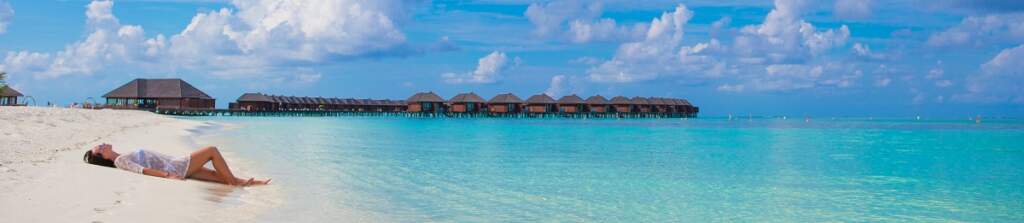
The challenge and opportunity lie in maintaining this balance, in allowing both models to flourish without one cannibalizing the other, in creating space for the traveler who wants absolute seclusion and the traveler who wants cultural immersion, for the honeymooner seeking romance and the family seeking education, for the comfort zone dweller and the genuine explorer.
The Maldives has survived for centuries by adapting to the ocean’s demands, by learning to flex rather than break in the face of forces larger than itself. Now it must apply that same adaptive wisdom to tourism, remaining recognizably Maldivian while becoming accessible to more than just the ultra-wealthy, preserving heritage while embracing change, honoring the past while building a future.
The archipelago of echoes continues to evolve, each wave reshaping the shore, each visitor leaving their mark, each local deciding daily how much to share and how much to protect. This is not a story with a clear ending, but rather an ongoing negotiation between preservation and progress, between isolation and connection, between the Maldives that was and the Maldives that must become.
In the end, perhaps that’s the most authentic product the nation can offer: not a frozen-in-time paradise immune to change, but a living culture still deciding its own future, still writing its own story, one guest, one stay, one meaningful encounter at a time.
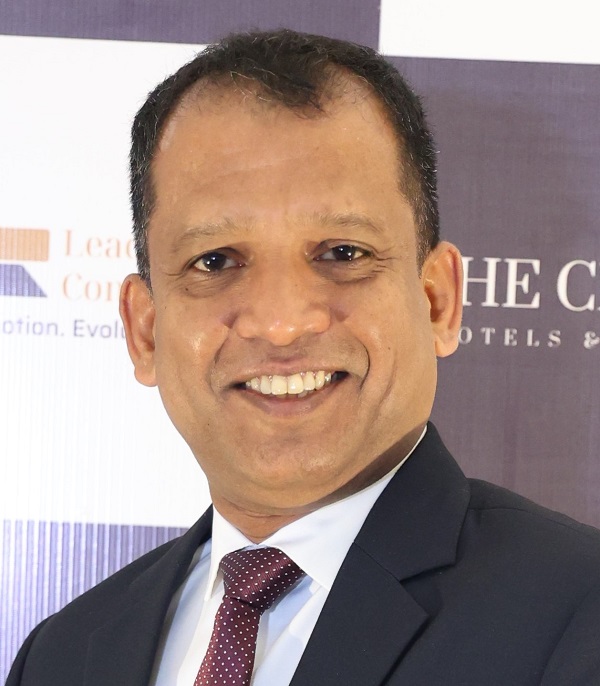
(Author Bob Anand Rex (General Manager, Pre-opening and Development – South India, The Clarks Hotels and Resorts ), brings over 30 years of hospitality expertise across India and the Maldives. His decade-long Maldivian experience includes the rare distinction of successfully managing properties across all three tourism tiers – city hotels in Malé, secluded luxury resorts, and inhabited island properties – demonstrating comprehensive operational mastery.)



Leave a Comment